#Eda85daysinJapan | Chapter 4 (Hokuriku) | Kanazawa -Kanazawa Shrine, Ishiura Shrine & Oyama Shrine
📍 Kanazawa Shrine, Ishiura Shrine & Oyama Shrine
Three shrines I spent time around during my month in Kanazawa were Kanazawa Shrine, Ishiura Shrine, and Oyama Shrine. All three are filled with tourists every day, but each had a different purpose and felt quite different in my daily routine.
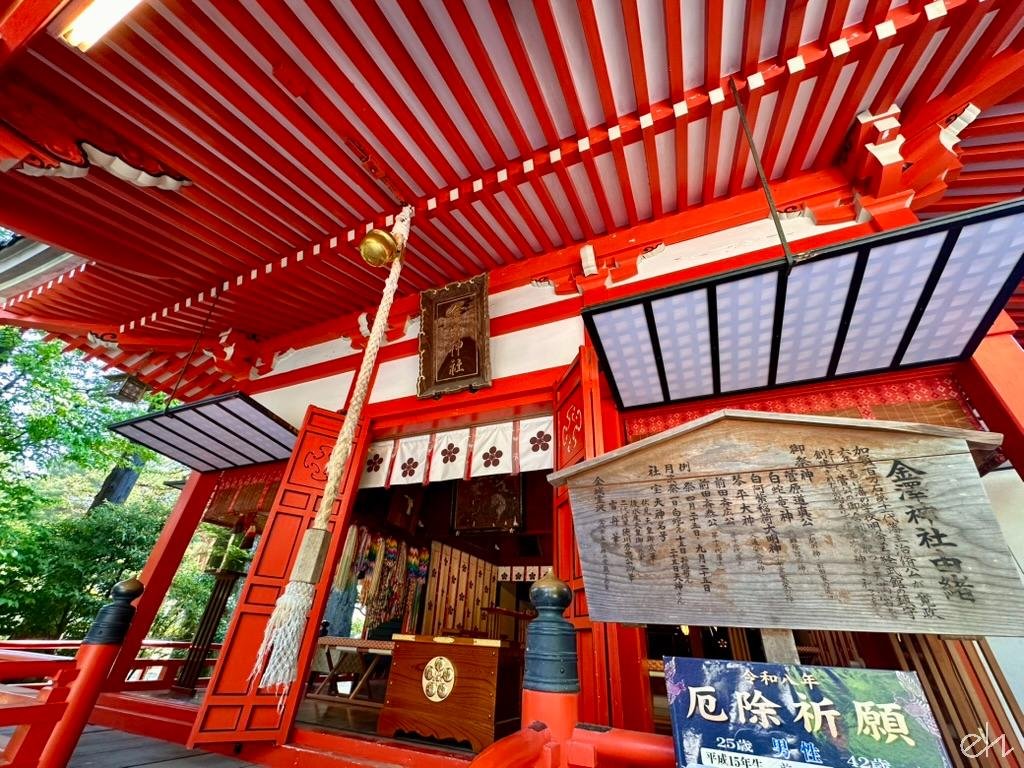
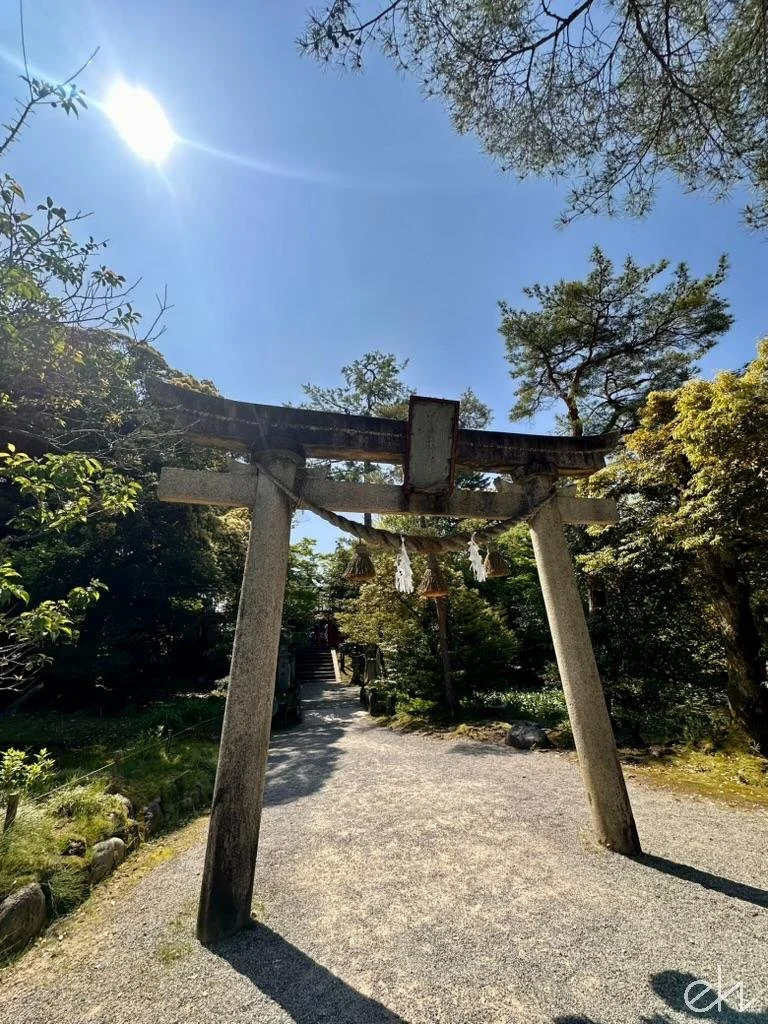
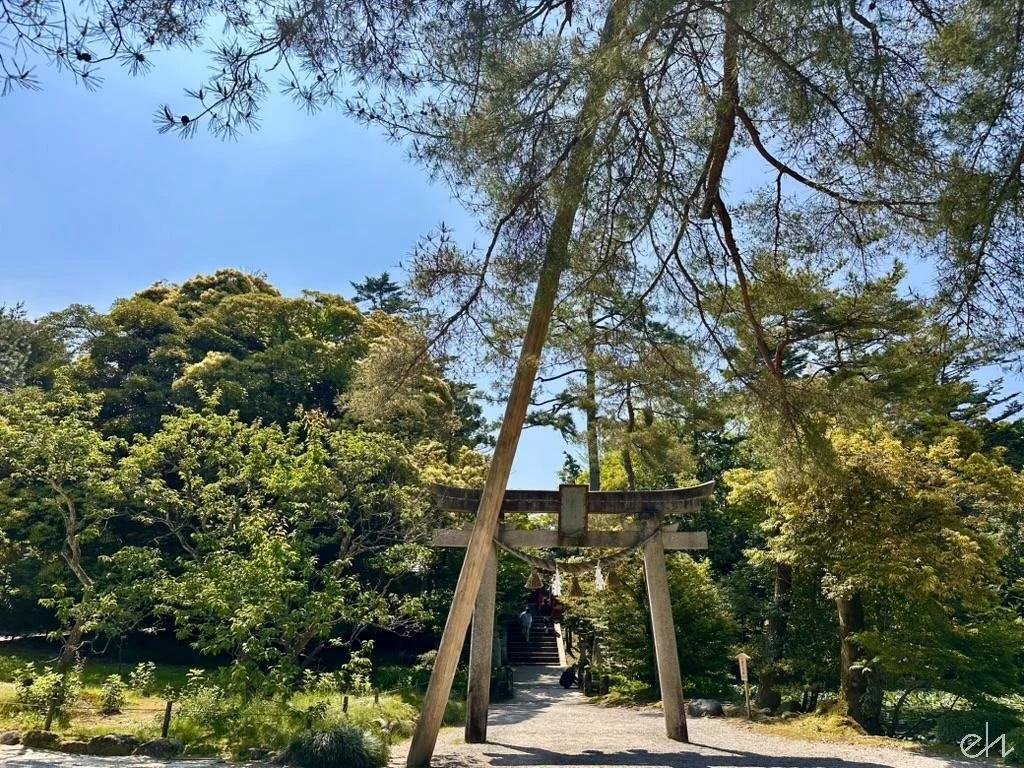
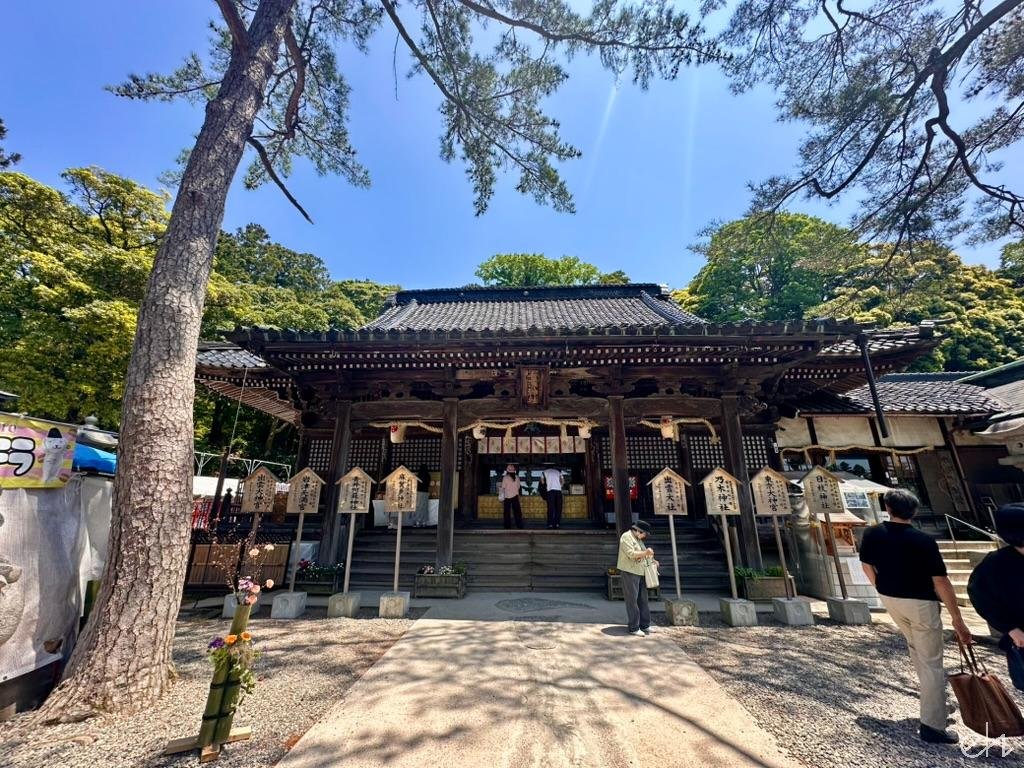
I went to Kanazawa Shrine the day after I arrived in Kanazawa, just to say hello and pay my respects. Before praying on that first visit, a message came through reminding me: you have everything you need. It felt so true. I’ve been feeling so grateful throughout this whole trip, so at every shrine and temple, I just say thank you sincerely.
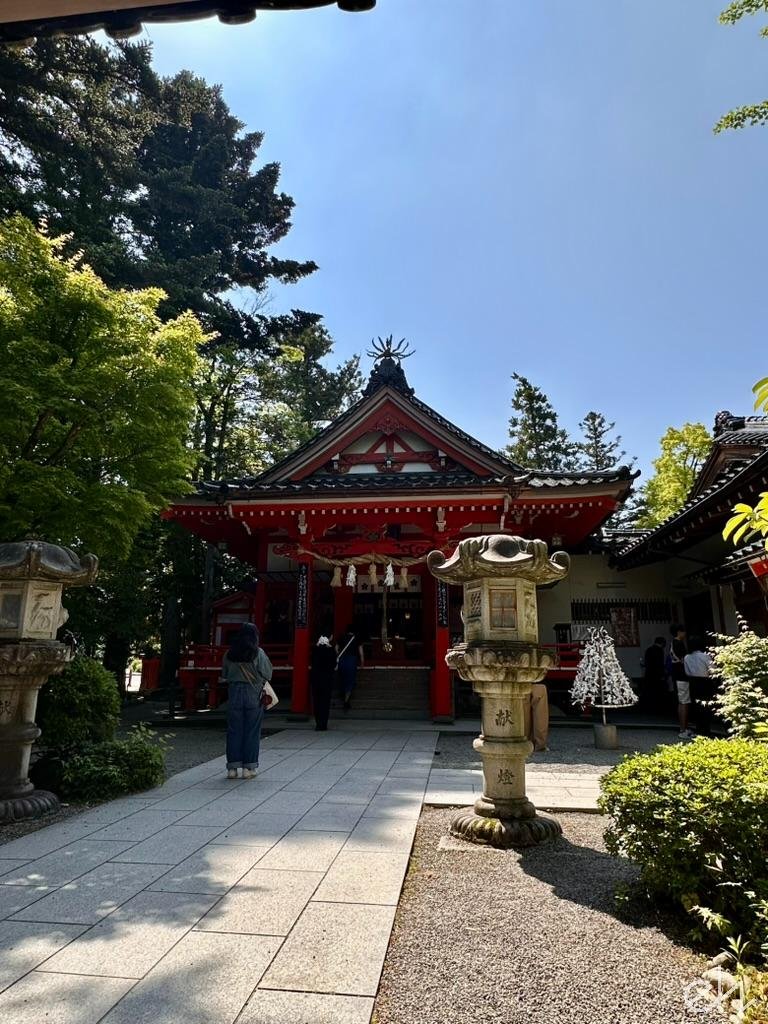
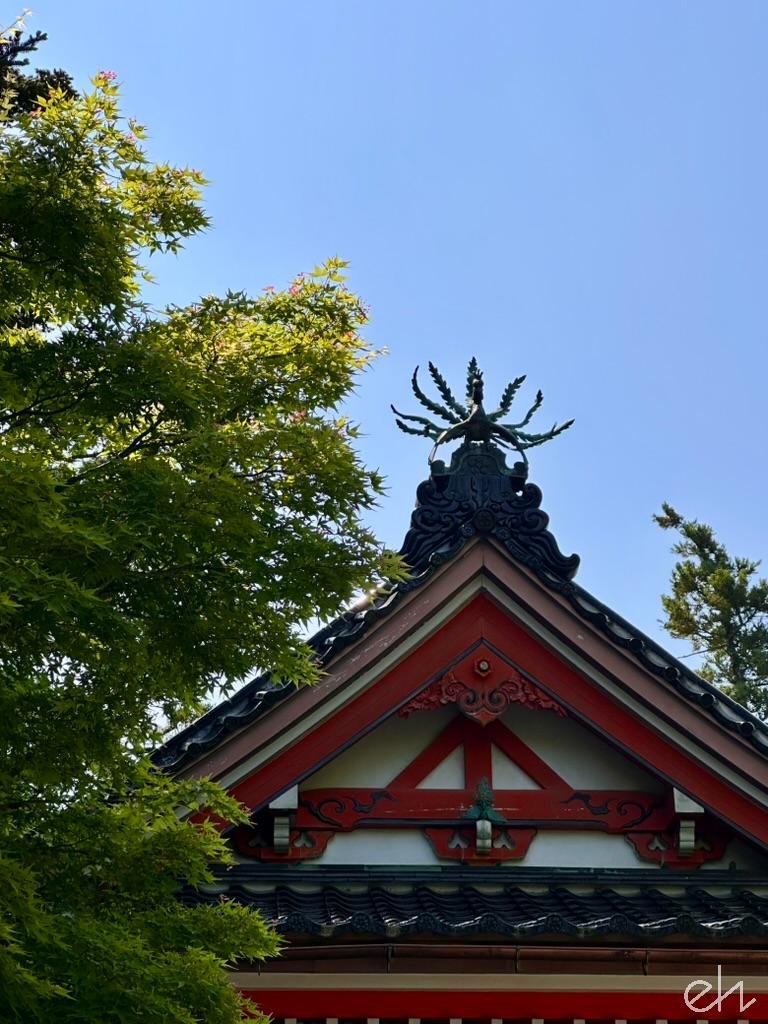
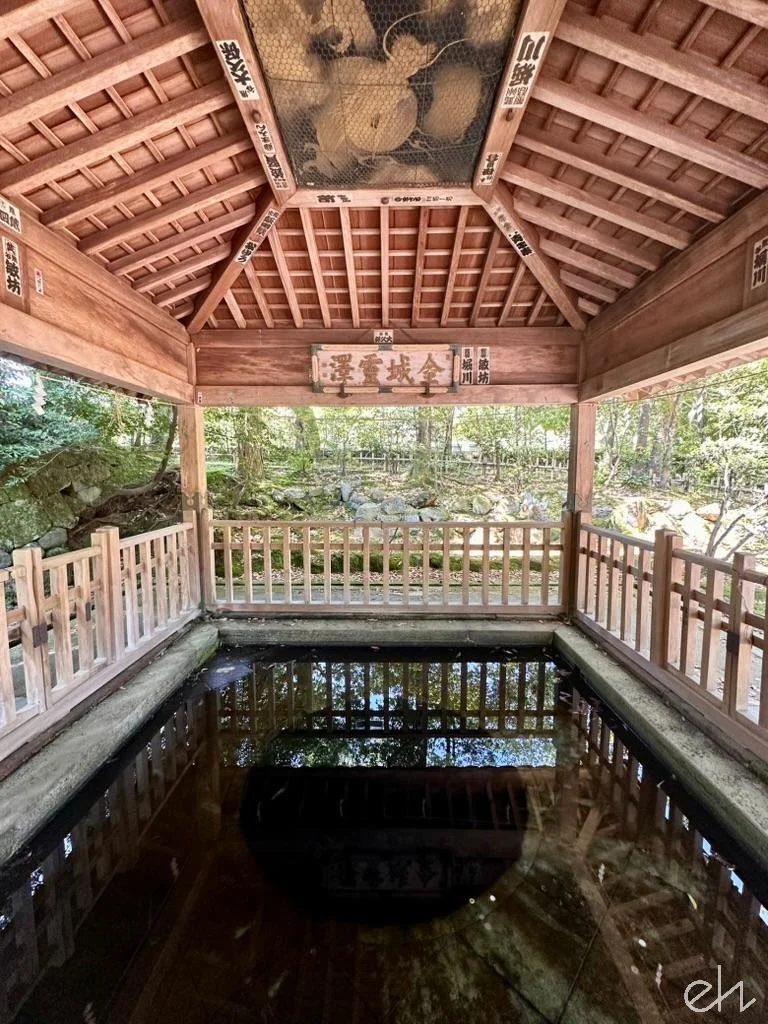
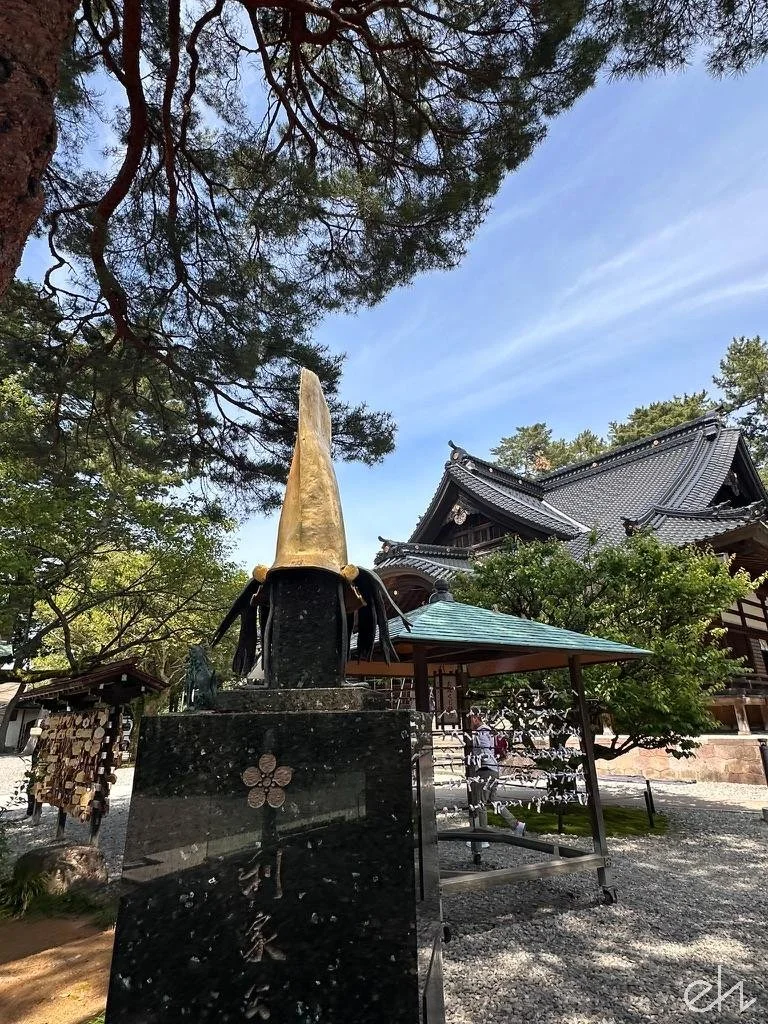
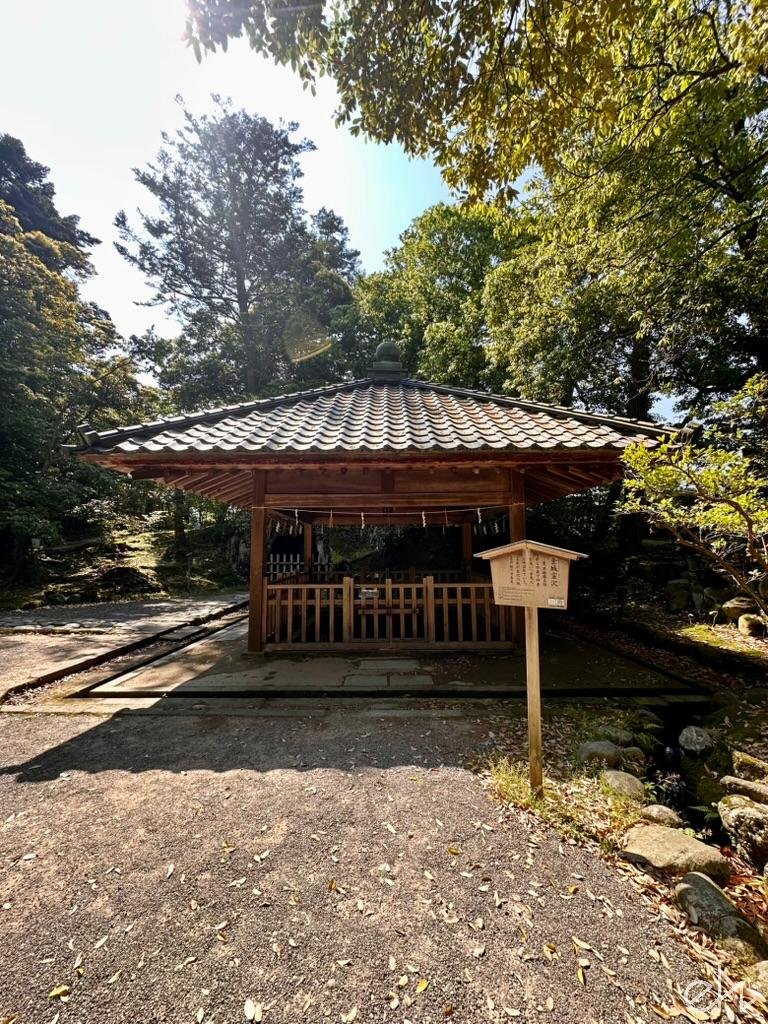
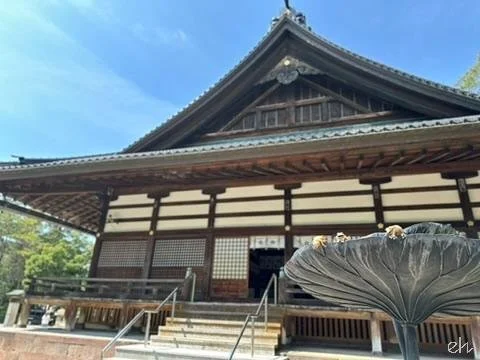
Because it was so close to where I stayed and I loved the vibe so much, I ended up visiting regularly throughout my one-month stay. Sitting right next to Kenrokuen, it was founded in 1794 as the guardian shrine for the domain school. The main deity is Sugawara no Michizane (the god of learning), so I’d often see students coming by to pray for good exam results. Right next to it is Kinjo Reitaku, the sacred spring linked to the origin of the name “Kanazawa,” and I cleansed my crystals at the chozuya (the hand-washing area before worshipping) as well.
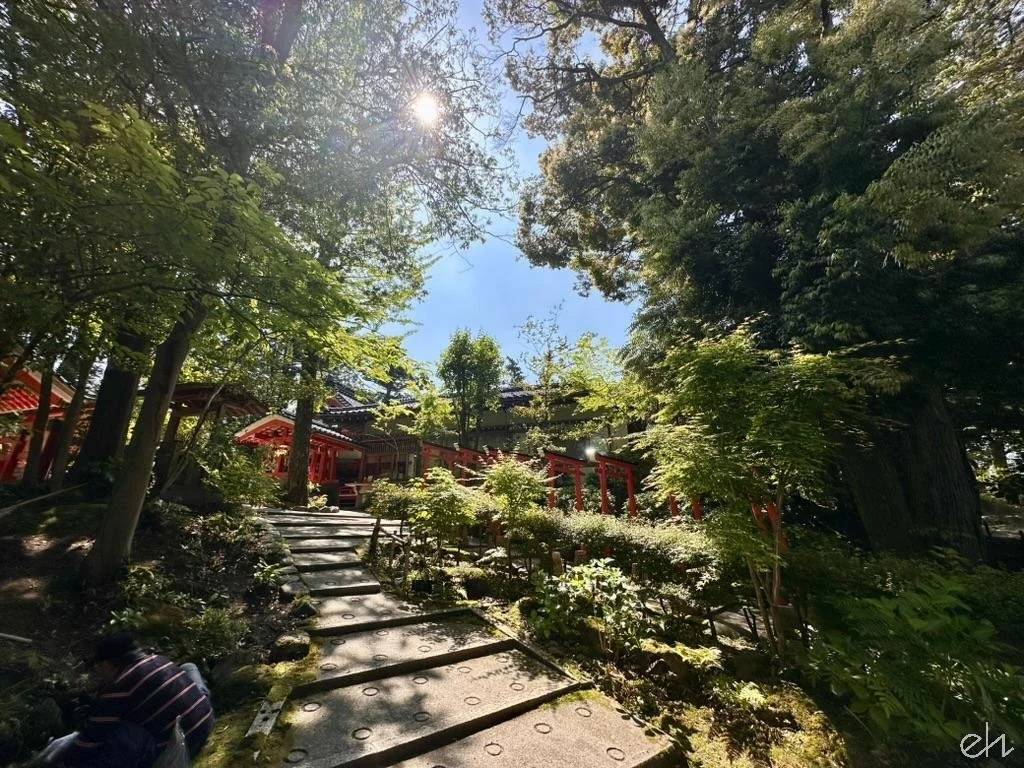
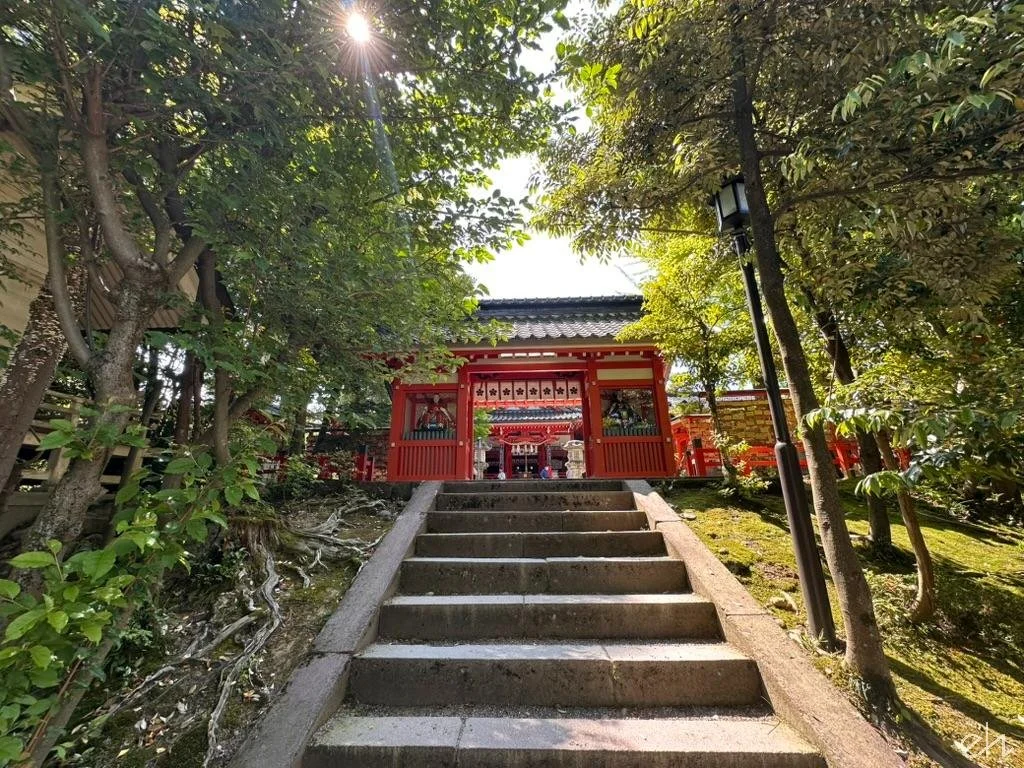
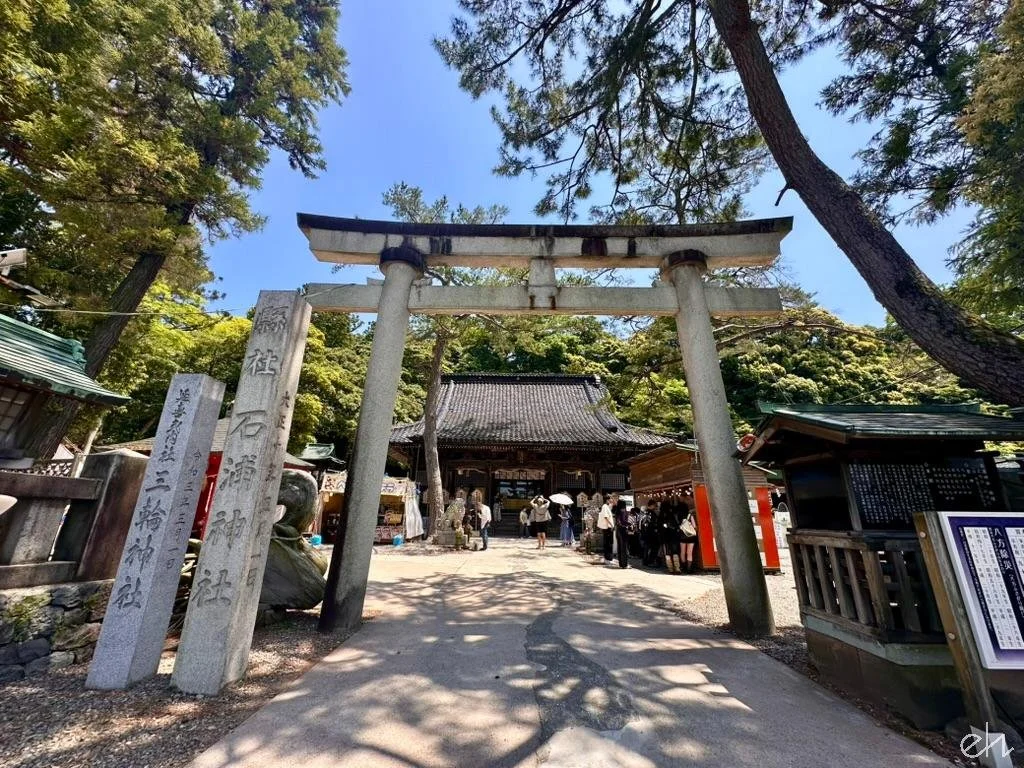
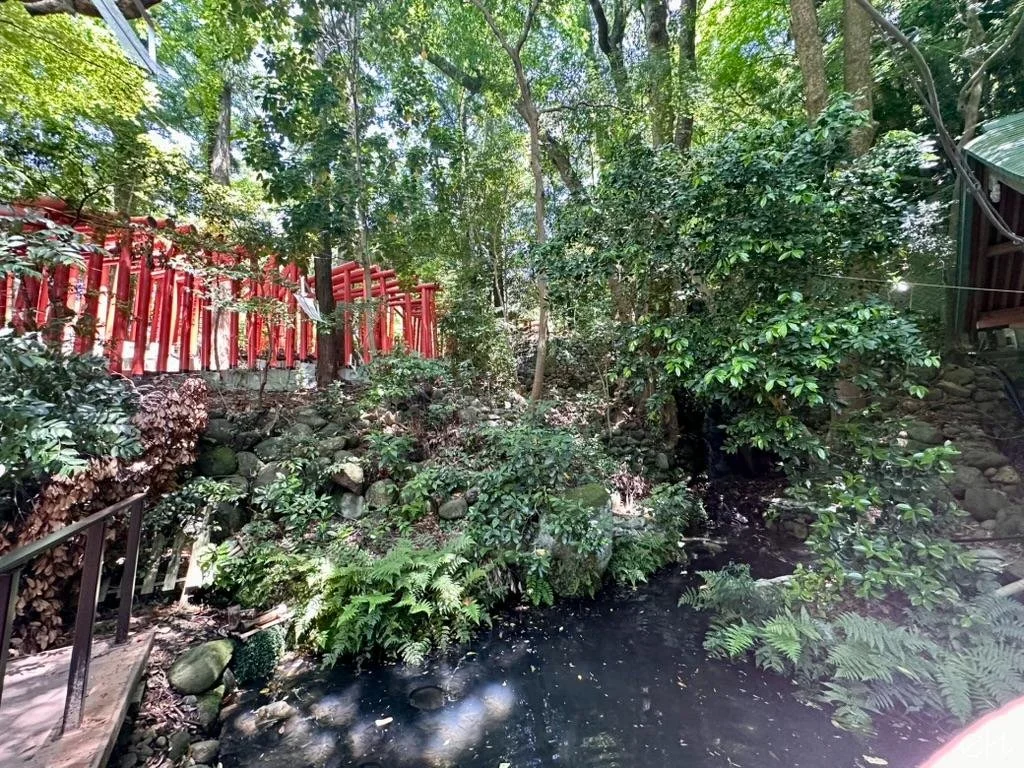
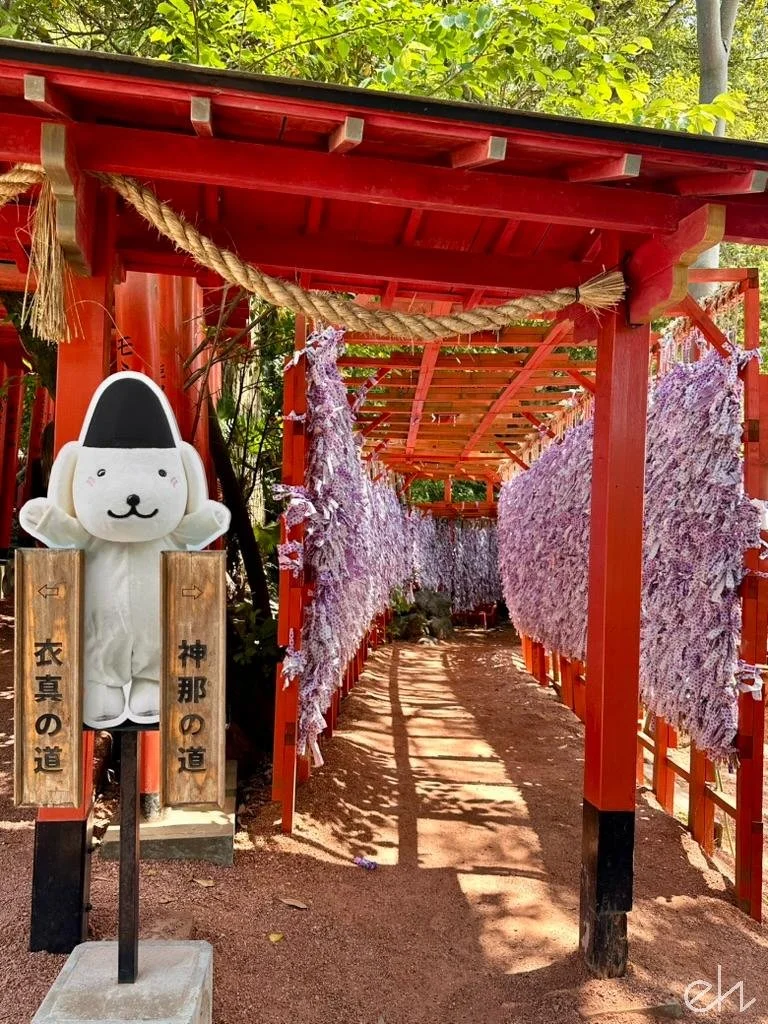
Right next to the garden—and across from the 21st Century Museum is Ishiura Shrine. This was another part of my daily walk. It’s considered the oldest shrine in Kanazawa and is famous for en-musubi(worshipping for good relationships, love, and matchmaking), as well as warding off bad luck. It has a tunnel of red torii gates, colorful polka-dot charms, and a super cute dog mascot named KIMA-chan.
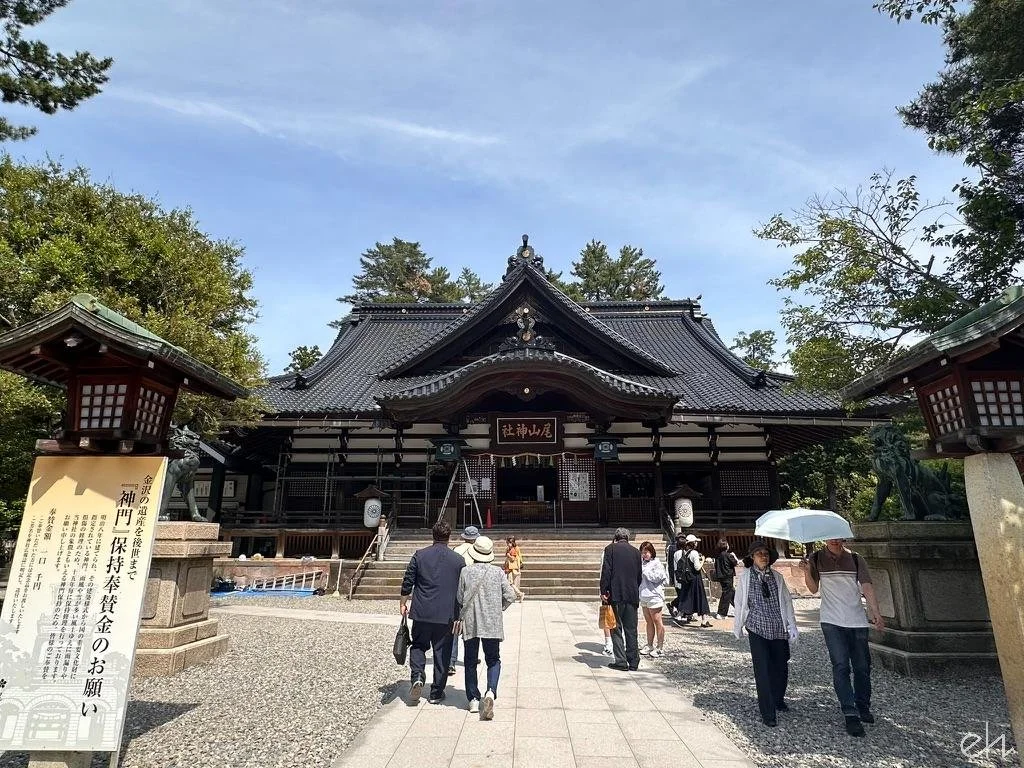
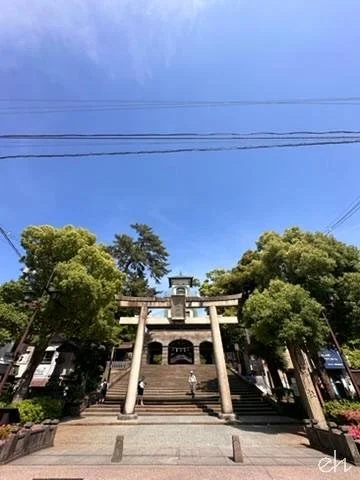
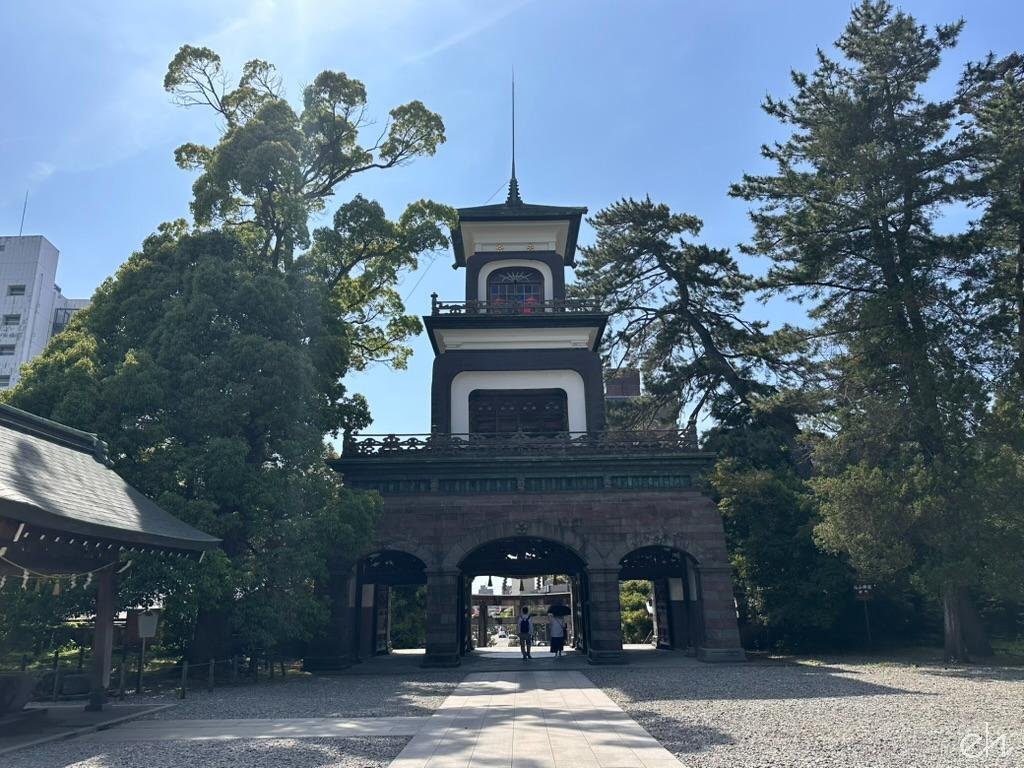
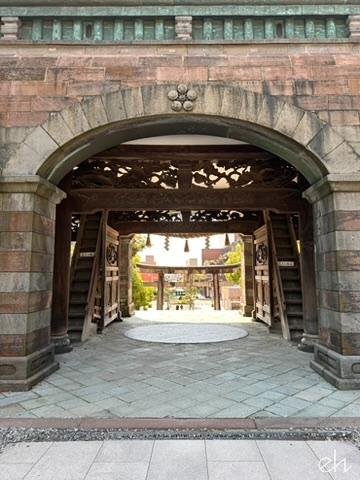
Oyama Shrine was a shrine I always walked past when I needed to go to Kohrinbo and Katamachi. It’s quite big and connects to Kanazawa Castle via Nezumitamon Gate and Nezumitamon Bridge. The shrine enshrines Maeda Toshiie (the founder of the Kaga Domain) and his wife Matsu, so people often visit to pray for family harmony and success. The interior design feels more like a garden to me, featuring a round-the-pond style garden with artificial islands and bridges shaped like traditional Japanese musical instruments, like the biwa. Its main gate, completed in 1875, is a peculiar mix of traditional Japanese, Chinese, and European architectural elements, with Dutch stained glass on the top floor and what’s said to be Japan’s oldest lightning rod.
Each shrine became a familiar part of my month here: one as my regular quiet sanctuary to say thank you, one as a cute spot for good connections right by the garden, and the third as a garden-like gateway on my daily walks into town.